DSC_0109a

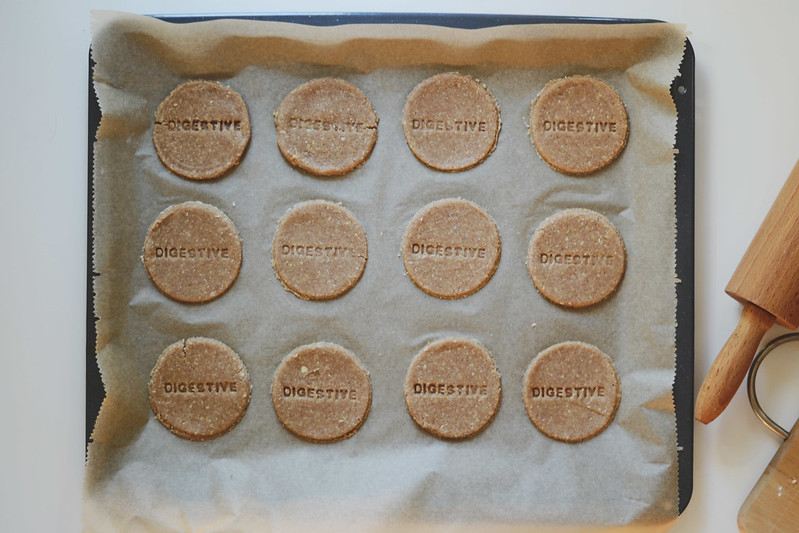
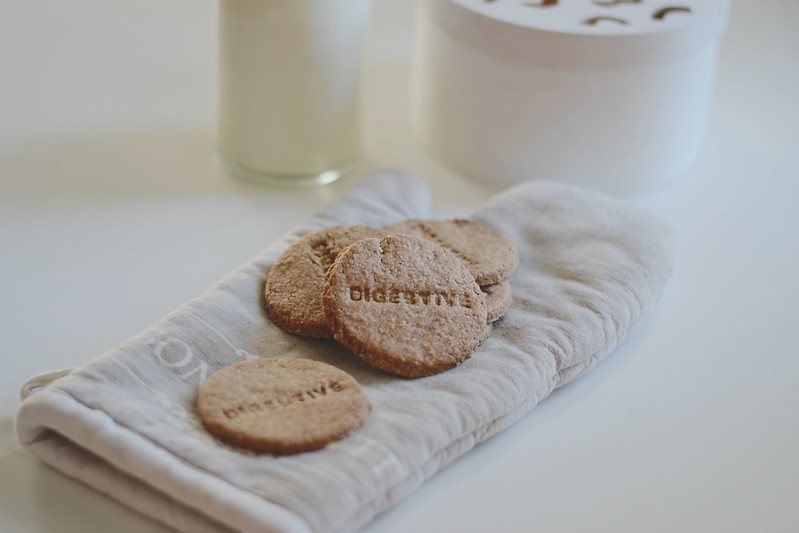
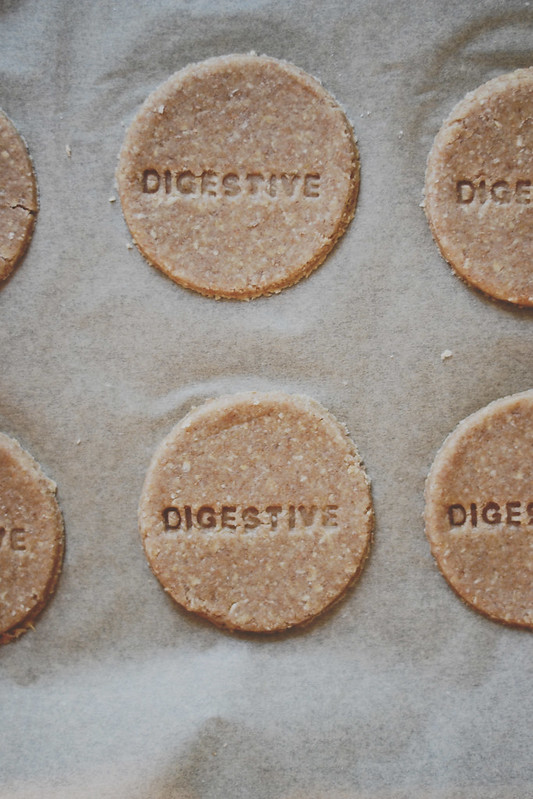
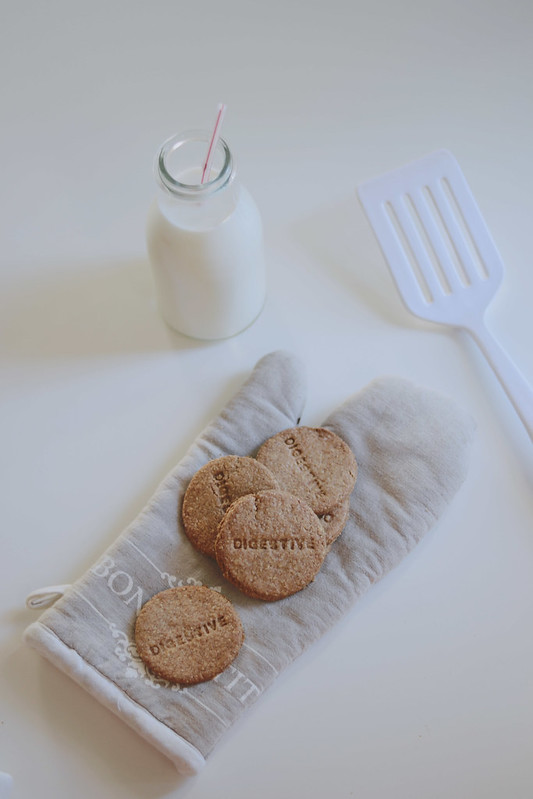
Ciasteczka digestive wywodzą się z Wielkiej Brytanii i smakują najlepiej jedzone w tradycyjny sposĂłb, czyli maczane w filiĆŒance popoƂudniowej herbaty. Swoją nazwę zawdzięczają ich twĂłrcom, ktĂłrzy stworzyli ciasteczka w nadziei na pomoc we wspomaganiu trawienia. Te sƂodko-sƂone herbatniki jadƂyƛmy juĆŒ w dzieciƄstwie, dlatego kiedy jakiƛ czas temu zniknęƂy z polskich sklepĂłw postanowiƂyƛmy znaleĆșć wƂasny, idealny przepis. 

____________________


Digestive biscuits first originated in the UK and taste best when eaten in traditional way - simply dunked in a cup of afternoon tea. The term "digestive" is derived from a belief that the consumption of those biscuits could be beneficial to digestion. We used to eat them regularly during our childhood, so when they dissappeared from the shops quite a few years ago we've decided to find our own, perfect recipe. 
DSC_0121a

Recipe (adapted from Jamie Oliver):

SkƂadniki:
150g zimnego masƂa
200g mąki peƂnoziarnistej
130g pƂatków owsianych
póƂ ƂyĆŒeczki sody oczyszczonej
70g brązowego cukru
2 ƂyĆŒki mleka (moĆŒna zastąpić migdaƂowym lub sojowym)

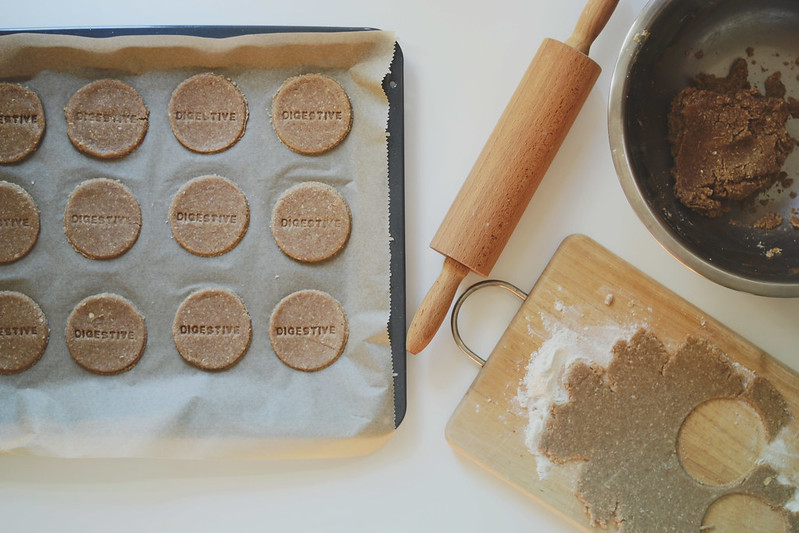
MasƂo skruszyć z mąką i pƂatkami owsianymi w duĆŒej misce, aĆŒ do uzyskania konsystencji kruszonki. Dodać sodę i cukier, wymieszać, następnie dodać mleko i wyrobić masę. Jeƛli masa nie jest wystarczająco zwarta, dodać więcej mleka. Wyrobione ciasto umieƛcić schƂodzić przez 30 minut w lodĂłwce, następnie rozwaƂkować na przyprĂłszonym mąką blacie na okoƂo jeden centymetr gruboƛci. Wycinać ciasteczka, piec 10-12 minut w temperaturze 170'C.


Ingredients:
150g cold butter
200g wholemeal plain flour
130g oatmeal
half teaspoon bicarbonate of soda
70g brown sugar
2 tablespoons of milk (dairy, almond or soya all work well)

Mix butter with flour and oats until breadcrumble-like consistency. Add baking soda and sugar, mix well and add milk. Knead the dough, adding more milk if needed. Place in a fridge for 30 minutes to cool. Roll the dough out onto a floured surface to about 1cm thick, cut out round biscuits, then bake on a baking tray lined with greaseproof paper for 10-12 minutes at 170'C.
DSC_0110a DSC_0123a DSC_0108a
Canvas_2016_03_13_22_23 (2)


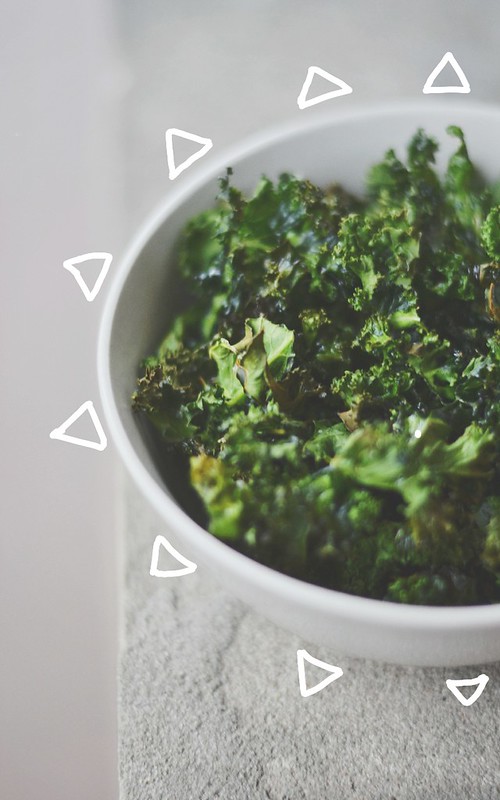
JarmuĆŒ to warzywo peƂne skƂadnikĂłw odĆŒywczych, takich jak bƂonnik czy biaƂko, witamin takich jak C i K, a takĆŒe potasu i przeciwutleniaczy. Dzięki odrobinie oliwy z oliwek i szczypcie soli moĆŒecie szybko i w prosty sposĂłb zamienić jego ƛwieĆŒe liƛcie w pyszną, a co najwaĆŒniejsze zdrową przekąskę.


Kale is a vegetable that is full of nutriens such as protein or fiber, vitamins including C and K as well as being reach in potassium and antioxidants. With just a tiny bit of olive oil and a sprinkle of salt you can really easily turn its fresh leaves into a delicious, and most importantly very healthy snack.


DSC_0649


SkƂadniki:

dwie garƛcie jarmuĆŒu
2 ƂyĆŒki oliwy z oliwek
szczypta soli

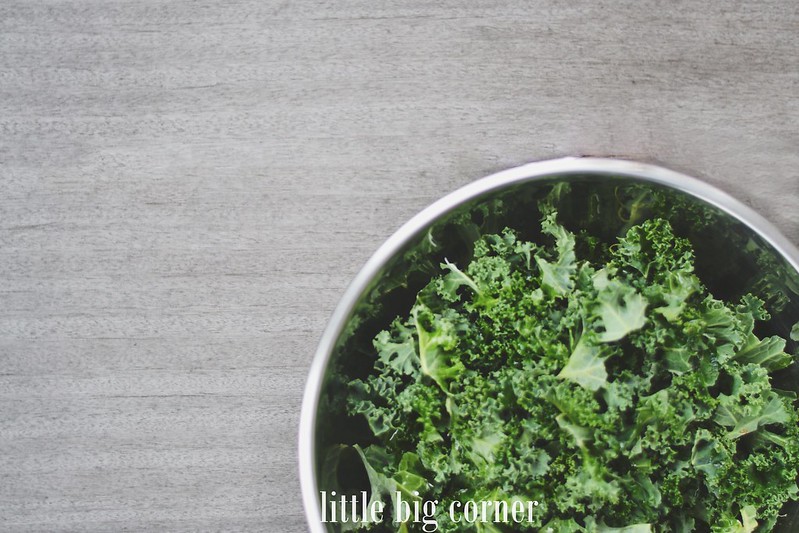
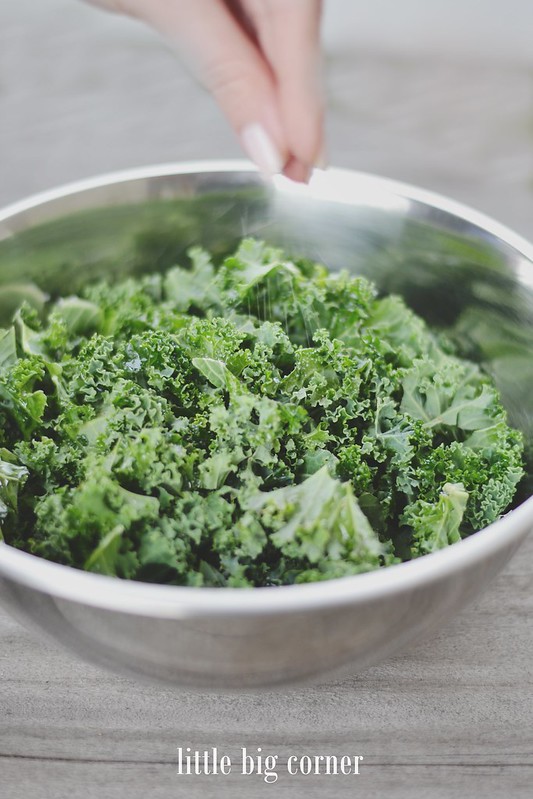
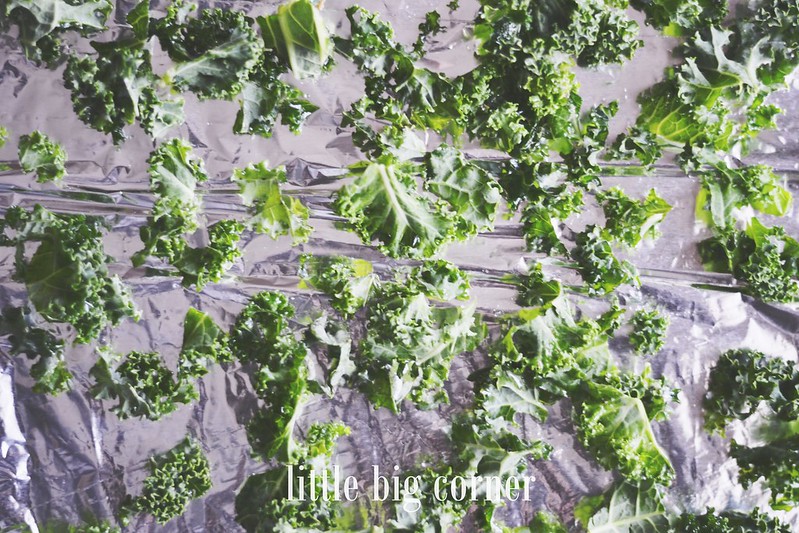
JarmuĆŒ umyć i dokƂadnie wysuszyć. Usunąć twarde wƂókna z ƛrodka kaĆŒdego liƛcia i porwać jarmuĆŒ na większe kawaƂki. Umieƛcić go w misce, skroplić oliwą i doprawić solą. RozƂoĆŒyć na blasze wyƂoĆŒonej papierem do pieczenia lub folią aluminiową tak, aby liƛcie na siebie nie nachodziƂy. Piec do 10 minut w temperaturze 175'C, do czasu, kiedy staną się chrupkie (nie brązowe!).


____________


Ingredients:

two handfuls of kale
2 tablespoons of olive oil
a pinch of salt

Wash the kale and dry the leaves thoroughly. Remove the stems and divide the leaves into larger pieces. Place them in a bowl and drizzle with the olive oil and sprinkle with the salt. Spread out the kale on a baking tray lined with parchment paper or foil, so that each leaf lies separately. Bake at 175'C up to 10 minutes, until the kale is crispy (but not brown!).


DSC_0681 DSC_0686


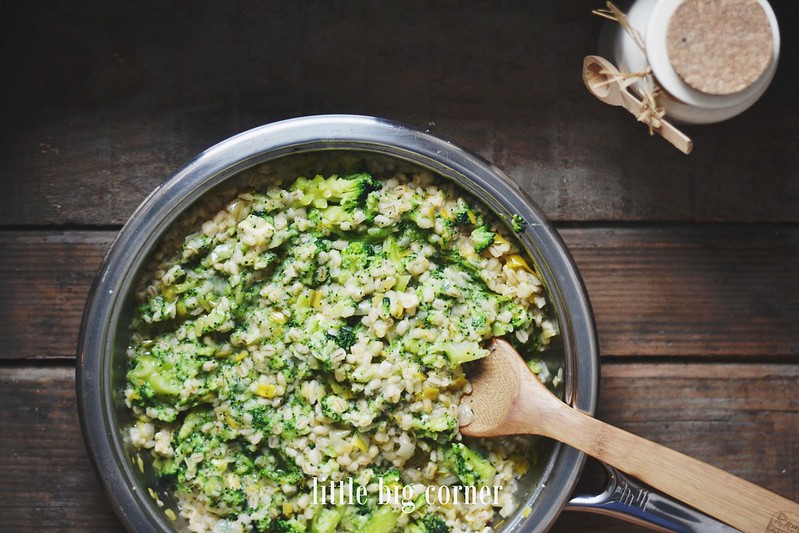
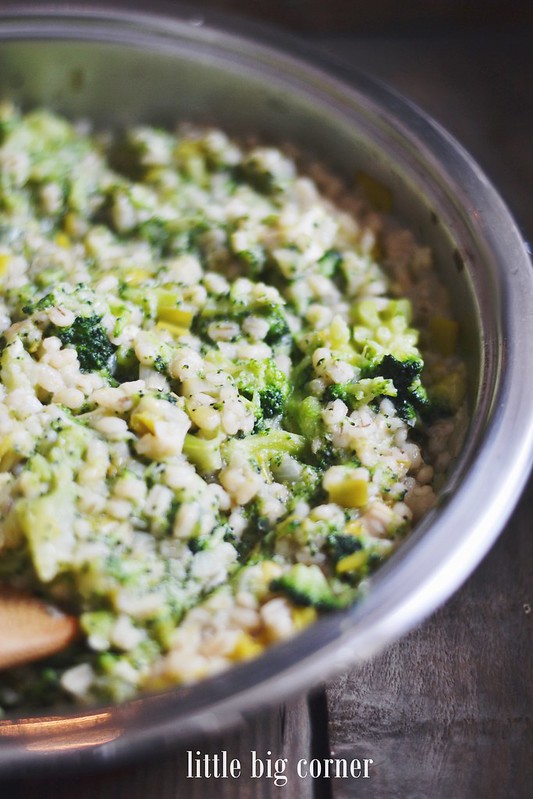
Nie ma chyba takiej kaszy, ktĂłra w poƂączeniu z rĂłĆŒnorodnymi warzywami nie smakowaƂaby niebiaƄsko. Jaglana, quinoa, bulgur czy pęczak -  wyboru mamy mnĂłstwo, a sposobĂłw ich przyrządzenia bez liku. My proponujemy jeden z najprostszych - kasza pęczak z dodatkiem pora i brokuƂów, powoli gotowana w warzywnym bulionie. A co najwaĆŒniejsze - wszystko przyrządzamy na jednej patelni. I jest wegaƄsko.


There's nothing better than a small bowl of quinoa or pearl barley topped with delicious steamed or roasted vegetables. There are plenty of recipes that cover various ways of cooking a perfect sweet or savoury groat and vegetable dish. We are going to show you a simple recipe for pearl barley stew with leek and broccoli, that is vegan and water-friendly - the whole dish comes together in one big pan.

DSC_0569


SkƂadniki (na okoƂo cztery porcje):

1 cebula
2 ząbki czosnku
1 por (biaƂa częƛć)
1 brokuƂ
2 szklanki warzywnego bulionu
1 szklanka kaszy pęczak
pieprz, sĂłl

Cebulę pokroić w kostkę, podsmaĆŒyć na patelni z grubym dnem na odrobinie oliwy z oliwek. Dodać czosnek i pora, dusić pod przykryciem od czasu do czasu mieszając. Wsypać kaszę, dodać rĂłĆŒyczki brokuƂa, zalać szklanką bulionu i gotować przez okoƂo 10 minut, do wygotowania bulionu, caƂy czas mieszając. Wlać pozostaƂą częƛć bulionu. Potrawa jest gotowa, kiedy brokuƂy i kasza będą miękkie. W razie potrzeby dodać więcej wody. Przyprawić do smaku solą i pieprzem. 


Ingredients ( for about four servings):

1 onion
2 cloves of garlic
1 leek (white part)
1 broccoli
2 cups of vegetable broth
1 cup of pearl barley
salt and pepper

Chop the onion and fry it on an olive oil in a pan. Add garlic and chopped leek and let it simmer for a couple of minutes, until the leek becomes soft, stirring occasionally. Pour in a cup of pearl barley, adding broccoli and vegetable broth. Leave it on a medium heat, stirring every couple of minutes. After about 10 minutes, add the remaining broth and simmer until the pearl barley and broccoli are soft. If necessary, add more water. Season to taste with salt and pepper. 


DSC_0574